Breaking the Silence: Divorce, Stigma, and Change in South Asian Communities
By Neena Saxena, Lawyer & Mediator, Patterson Moore Butler, Georgia

Divorce is never easy, but within South Asian communities, it often comes with an added layer of complexity. Even as attitudes slowly shift, many people navigating separation still face deep-rooted stigma, family pressure, and cultural expectations that can make an already difficult situation feel even heavier.
At Amicable Divorce Network, we believe divorce doesn’t have to be defined by conflict. With the right support and a culturally sensitive approach, it’s possible to move forward in a way that feels respectful, private, and grounded in dignity.
In many South Asian cultures, marriage is about much more than two individuals. It’s often seen as a bond between families, shaped by shared values, traditions, and social ties. Because of this, the idea of divorce can feel like more than a personal decision, it can feel like something that affects an entire community.
For generations, marriage has also come with certain expectations: commitment, endurance, and the idea that challenges should be worked through, sometimes at great personal cost. While every experience is different, these expectations can make it harder for individuals to step away from a relationship, even when it’s no longer healthy.
Some of the most common pressures include:
- A strong emphasis on family honor (“izzat”), where divorce may be seen as bringing shame, especially for women
- The expectation to endure hardship rather than consider separation
- Close-knit communities where opinions, gossip, and judgment can feel inescapable
Together, these factors can leave people feeling stuck, isolated, or unsure of where to turn.
The Gendered Reality of Stigma
Although divorce carries stigma for everyone, women often bear the brunt of it. Women may be judged more harshly, with assumptions made about their character or their ability to “adjust.” In some cases, marriage shifts a woman’s primary support system to her spouse’s family, so when the relationship ends, she may find herself without a clear place to go or the support she needs. Returning to her own family isn’t always simple either, especially when stigma or social pressure is involved.
Men face their own challenges, though they’re often less openly discussed. Many feel pressure to maintain appearances, avoid vulnerability, and continue fulfilling traditional provider roles without seeking help. This can lead to emotional isolation and unaddressed mental health struggles.
In both cases, the silence around divorce can make an already difficult transition even harder.
A Shift in Perspective
There are signs of change, especially among younger generations. With greater financial independence, broader worldviews, and a growing focus on personal well-being, many people are beginning to question long-standing expectations around marriage.
Still, that shift isn’t always easy. Many individuals find themselves caught between honoring their family’s values and choosing what’s right for their own lives. What’s slowly becoming clearer, though, is this: ending a marriage doesn’t mean someone has failed. For many, it’s a thoughtful and necessary step toward a healthier future.
Another Way to Move Forward
For those facing both personal and cultural pressures, the idea of divorce can feel overwhelming, especially when it’s associated with conflict, public exposure, or family tension. That’s where amicable divorce offers a different approach.
Instead of focusing on confrontation, it centers on cooperation, respect, and problem-solving. It allows couples to move through the process more privately, reduce emotional strain, and preserve important relationships, something that matters deeply in many South Asian families.
Through the Amicable Divorce Network, individuals can work with professionals trained to guide them through a more peaceful, out-of-court process.
This approach helps:
- Minimize conflict and avoid public disputes
- Encourage open, respectful communication
- Protect children and extended family relationships
- Provide a more private and culturally sensitive experience
For many, this path feels more aligned with their values and the way they want to handle such a personal transition. If you or someone you know is considering divorce and looking for a more respectful, low-conflict path, there are options. Learning more about amicable divorce could be the first step toward moving forward in a way that feels right for you without losing sight of your values or your dignity.
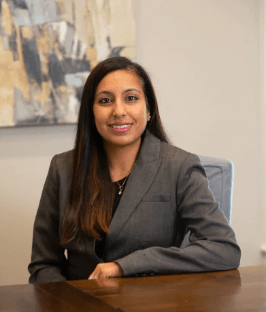
Neena Saxena is a dedicated, honest, and empathetic attorney who focuses on all issues related to families including divorce, child custody, child support, paternity, legitimation, alimony, property division, adoption, modifications and contempt issues. Neena is passionate about her clients and the law and experienced to handle all family law matters.
Recent Posts

Solvo Global – Amicable Divorce Network Key Partner
Solvo Global has joined the Amicable Divorce Network (ADN) as a Key Partner. Kimberly Baker, Solvo Global’s VP of Strategic Partnerships, represents the company within the network and works with organizations that are looking for more efficient ways to build and support their teams. Founded in 2014, Solvo Global provides remote talent solutions to U.S.-based…

Hannah Hembree Bell – Guiding Texas Families Through Divorce
For many family law attorneys, the path to divorce work begins with an interest in litigation or advocacy. For Hannah Hembree Bell, founder of Hembree Bell Law Firm PLLC, the path was much more personal. Her own experience navigating divorce and a difficult custody battle shaped not only the kind of lawyer she would become,…
Why Divorce Coaching Belongs on Every Amicable Divorce Team
Why Divorce Coaching Belongs on Every Amicable Divorce Team Written by: Nanette Murphy (A professional brief for attorneys, CDFA®s, mortgage lenders, mediators, and other members of the Amicable Divorce Network) Divorce coaching is no jazz-hand add-on – it is a discipline that fills a critical gap between legal, financial, and mental-health services during separation. Divorce…